
People often stop replying because the quote gives them more questions. They may be comparing different inclusions, worrying about variations, waiting for finance or discussing the decision with somebody else. Talk them through the proposal, explain what is included and excluded, and agree on when you will speak again. Follow-up should help them understand the quote, not simply ask whether they have decided.
A premium building proposal is rarely a simple price. It represents months of disruption, major financial commitment and trust in people who will work on the client's home. Two quotes can look similar while covering different design detail, allowances, supervision and risk. Sending a long document without explanation leaves the prospect to make those comparisons alone.
The quote starts another decision
Look before and after the proposal. Did the business confirm budget, decision process, timing and scope before estimating? Is the document clear about inclusions, exclusions, allowances, validity and the path to contract? Was a review meeting booked? If proposals are produced for people who are not ready or suitable, the problem may begin in qualification rather than follow-up.
-
Quotes are emailed with please let us know if you have questions.
-
The team does not know who else is involved in the decision.
-
Different builders' scopes are compared only on the bottom-line figure.
-
Finance, design readiness and desired start timing are discovered after quoting.
-
Lost reasons default to price with no conversation.
Present the proposal instead of only sending it
Set expectations before doing costly proposal work. Explain what the next document will contain and book a review. During that conversation, walk through scope, assumptions, client responsibilities and stages in plain language. Ask what differs from their expectation and what they need to decide. When timing is later, record the trigger instead of leaving the proposal indefinitely open.
1. Confirm that the project, budget, timing and decision-makers are a good fit before preparing the proposal.
2. Use a consistent proposal format while keeping the details specific to the project.
3. Talk through the proposal and invite questions about inclusions, exclusions and risk.
4. Agree on a date to speak again, even if it is several weeks away.
5. Record why the person waits or declines and use that information to improve earlier conversations.
What to track
Track enquiry-to-site-meeting, meeting-to-proposal, proposal review attendance, decision time, acceptance and reasons for loss. Include the cost of producing proposals and the quality of won projects. A higher acceptance rate is not useful if scope is poorly understood and disputes follow. Contract, licensing and consumer requirements vary, so builders should obtain current legal and industry advice.
What to avoid
-
Reducing price before understanding what the prospect is comparing.
Using vague allowances that create later distrust.
-
Sending repeated any thoughts messages with no new help.
-
Treating a couple or project team as one decision-maker.
-
Allowing automation to answer technical or contractual questions without review.
Common questions
How soon should a builder follow up after a proposal?
Agree on the review timing before sending it. If that was missed, contact the person promptly, offer to talk through the proposal and ask what they need to compare.
Should builders charge for proposals?
That is a business decision affected by the scope, market and regulations. Whatever the model, explain what the client will receive and what happens before work begins.
What if the person says the price is too high?
Find out whether the problem is the total budget, scope, cash flow, value they see or a difference between quotes. Do not remove essential work or play down risk to win the project.
A realistic example
Example: A renovation prospect receives three quotes with different allowances and cannot compare them. The builder books a review, explains the scope and identifies that the desired start date depends on finance approval. The next contact is tied to that event. This example is general information, not building or contract advice.
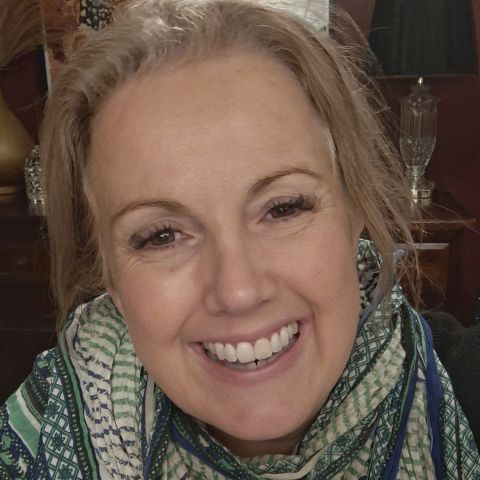
Cathryn Mora, Founder, Kindred Systems Lead Conversion Advisor with more than 15 years across marketing, sales, customer experience, CRM and business growth. More about Cathryn
Related
Turn more existing enquiries into clients
If you are already receiving good enquiries but too few become clients, Kindred Systems can help you work out where you are losing them and fix the parts that are letting people slip away. We will start with the systems and people you already have, then recommend something different only if you need it.
Explore Lead Conversion Advisory