
Write down what should happen from the first enquiry until somebody becomes a client. Count how many people are contacted, book, attend, receive a proposal and say yes. Then review calls, messages and notes around the biggest loss. Include missed calls, unbooked appointments, no-shows, unanswered proposals and enquiries with no follow-up date.
A CRM can make the sales list look busy even when good enquiries have been sitting untouched for weeks. Reports are only helpful if everybody uses the same definitions and records what needs to happen next. The numbers tell you where to look. Calls, emails and notes tell you why people were lost.
Start with every enquiry
Write the process on one page, from the first enquiry to the decision. For each point, say which staff member is responsible, what needs to happen and how long the person should have to wait. Then compare that version with recent records. You may find that the business considers its job finished once a proposal is sent, even though the client has only started weighing it up.
-
Many enquiries have no date for the next call or email.
-
Staff use words such as contacted or qualified to mean different things.
-
Missed calls and social media enquiries never reach the CRM.
-
Old proposals remain open for months, making the sales list look stronger than it is.
-
Most lost enquiries are labelled no response or too expensive, with no explanation.
Find the biggest loss
Choose a recent group of enquiries that has had enough time to make a decision. Rebuild what happened using the CRM, calendars, inboxes and call records. Count how many people reached each point, how long it took and how much work was involved. Then read or listen to examples around the biggest loss. Speak with the staff doing the work and test the process yourself before deciding what to change.
1. Define the main points from enquiry to client in plain language.
2. Bring together enquiries from every phone number, form, inbox and social channel.
3. Count how many people reached each point, how long they had been waiting and who was responsible.
4. Review examples of people who said yes, said no and stopped replying.
5. Make one clear change, then compare the new result with the earlier one.
What the numbers can tell you
Look at delay as well as the final result. A good number of people may eventually become clients, but long waits can still cost work and make forecasts unreliable. Missing information is also a finding. If the business cannot tell whether somebody called an enquiry, the first problem is recording the contact and making one person responsible. Use a small report the team trusts instead of a large dashboard nobody uses.
What can distort the result
-
Buying a reporting tool before agreeing on what each status means.
-
Treating the CRM as the full story when staff also use personal phones or inboxes.
-
Looking only at the largest percentage loss instead of the number and value of enquiries.
-
Assuming the numbers explain why people left without checking the conversations.
-
Making several changes before recording the current result.
Common questions
How much data do we need?
Use enough completed enquiries to see a pattern, then read or listen to examples to check what the numbers mean. A smaller business can still learn from a modest sample when everybody records information in the same way.
What if our CRM data is unreliable?
That tells you something important. Rebuild a sample using calendars, calls and inboxes, then decide which details staff must record from now on and who is responsible.
Should we track every possible reason?
No. Start with a short list that staff understand and leave room to record the person's own words. Too many categories make the information less reliable.
A realistic example
Example: A premium building company assumes it is losing work because its final quotes are too expensive. A review shows that many enquiries never reach a site meeting because callbacks depend on individual diaries. The company first gives one person responsibility for booking those meetings instead of rewriting every proposal. This is an example, not a claimed client engagement.
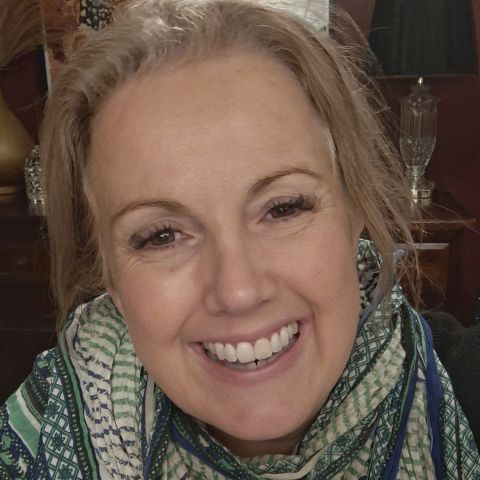
Cathryn Mora, Founder, Kindred Systems Lead Conversion Advisor with more than 15 years across marketing, sales, customer experience, CRM and business growth. More about Cathryn
Related
Turn more existing enquiries into clients
If you are already receiving good enquiries but too few become clients, Kindred Systems can help you work out where you are losing them and fix the parts that are letting people slip away. We will start with the systems and people you already have, then recommend something different only if you need it.
Explore Lead Conversion Advisory