
Lead conversion is what happens between someone making an enquiry and becoming a paying client. You can improve it by replying quickly, listening to what the person needs, answering the questions holding them back and following up when you say you will. People are more likely to choose you when they feel looked after and know what will happen next.
When somebody contacts your business, they are rarely asking only for a price or an appointment. They are also trying to decide whether they trust you, whether your service is right for them and whether they are about to make an expensive mistake. Lead conversion covers everything that happens from that first enquiry until they decide to become a client.
Why enquiries are being lost
Businesses rarely lose enquiries because of one spectacular mistake. It is usually a collection of smaller things. A reply takes too long. The person receives a standard email that does not answer their question. Nobody calls when they said they would. The person is sent a proposal and left to work it out alone. Even an excellent service can be difficult to buy when the follow-up depends on who remembers.
-
The team reports plenty of enquiries, but nobody can state how many become consultations, proposals or clients.
-
People receive information, then stop replying and nobody finds out what held them back.
-
Follow-up depends on who answered the phone and how busy they are that day.
-
The CRM contains their details, but nobody is clearly responsible for calling or writing back.
-
The business keeps spending more on marketing, but the number of enquiries becoming clients does not improve.
How to improve conversion
Start with a real enquiry and trace what happened. Who replied? How long did it take? What did the person ask, and did the response answer it? What happened after the call or consultation? Then look at the decision from their side. They may be worried about cost, risk, timing or whether they will be treated well. Your follow-up should answer those concerns as they arise and make it clear which staff member is responsible for contacting them.
1. Write down the main points between a new enquiry and a new client, and name the person responsible at each point.
2. Set a response standard for business hours and an after-hours acknowledgement that explains when a human will reply.
3. Give the team a short discovery framework so the first conversation is about the person's situation, not a rushed list of services.
4. Use follow-up to answer questions and help the person decide, rather than repeatedly asking whether they are ready.
5. Review a small set of figures regularly and start with the point where the most valuable enquiries are being lost.
What to track
Track how long people wait for a human reply, how many book, how many attend and how many decide to proceed. Record why people say no or ask to come back later. One overall conversion rate can hide the problem. Looking at each point separately shows whether you are losing people before the first call, after a consultation or once they receive a proposal. Compare similar enquiries because referrals and paid advertising leads often behave differently.
Common mistakes
-
Treating every enquiry as if the person is equally ready to buy, instead of listening to their timing.
-
Adding more messages before fixing slow replies, confusing information or poor sales conversations.
-
Assuming a CRM creates accountability simply because contact records exist.
-
Measuring staff only on activity counts, which can reward busy work instead of enquiries that become clients.
-
Changing several parts of the follow-up at once, making it difficult to see what improved the result.
Common questions
Is lead conversion the same as sales?
Sales is part of it, but lead conversion also includes what happens before and after the sales conversation. A brilliant salesperson can still lose clients if enquiries wait too long, appointments are not confirmed or nobody follows up after a proposal.
Does improving conversion mean pressuring people?
No. Pressure may produce a quick yes and lasting distrust. Good follow-up helps interested people understand their options, get answers and decide at a pace that suits the decision. It should also make it easy to say not now or no.
Do we need more leads first?
Not always. If the business already receives good enquiries, helping more of those people become clients can produce more revenue from marketing you have already paid for. Check the current follow-up before assuming lead volume is the problem.
A realistic example
Example: A premium renovation company receives enquiries through referrals and its website. Some people wait two days for a call, while others receive a brochure and hear nothing else after the first estimate. The company gives every enquiry to a named staff member, confirms what will happen next in writing and follows up with information about budgets, design choices and timeframes. This is an example, not a claimed client result.
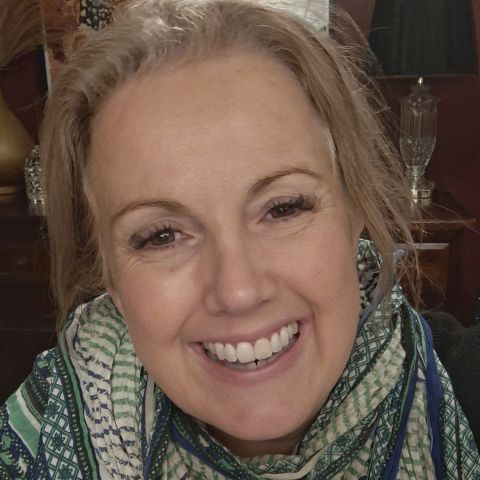
Cathryn Mora, Founder, Kindred Systems Lead Conversion Advisor with more than 15 years across marketing, sales, customer experience, CRM and business growth. More about Cathryn
Related
Turn more existing enquiries into clients
If you are already receiving good enquiries but too few become clients, Kindred Systems can help you work out where you are losing them and fix the parts that are letting people slip away. We will start with the systems and people you already have, then recommend something different only if you need it.
Explore Lead Conversion Advisory