
First confirm how and when it is safe to contact the person. Explain what happens next and give them an easy way to ask questions, wait or stop contact. Keep messages neutral and leave out sensitive details that somebody else may see. Urgent safety or legal issues need the firm's approved response. The person should feel more in control after hearing from you.
A family law enquiry may arrive during conflict, grief or fear about privacy. The person may be speaking to several professionals, gathering documents, arranging money or deciding whether they are ready to act. A standard series of sales calls can feel intrusive and may create risk if somebody else sees the messages. Follow-up needs to be organised, careful and easy for the person to control.
Safe and respectful contact
Ask early whether it is safe to leave a voicemail, send a text or use email. Confirm the person's preferred name and when contact is safest. Explain what the first consultation can cover and record the information already provided so they do not have to tell the story again. Staff also need clear instructions for urgent safety concerns.
-
Messages reveal the firm's practice area or the nature of the enquiry without permission.
-
Staff repeatedly call because no one recorded a safe contact window.
-
Follow-up uses consequences or fear to push a consultation.
-
The prospect receives administrative requests before knowing what will happen next.
-
There is no distinction between urgent triage and normal nurture.
Give the person control
Give the person choices. A short message can offer an appointment, answer a question, arrange a later call or stop contact. After a consultation, confirm any administrative tasks and say who will respond. General information can help between conversations, but legal advice belongs in the appropriate setting with the right professional. Stop contacting the person when they ask you to.
1. Confirm safe contact methods and times before sending any detail.
2. Give staff an approved intake process and clear instructions for urgent situations.
3. Explain the consultation, costs and decisions in plain language.
4. Agree on when to contact the person again instead of making repeated unscheduled calls.
5. Stop contact respectfully and keep only the information the firm is entitled and required to retain.
What to review
Monitor safe-contact compliance, response time, consultation booking, attendance, reasons for delay and complaints. Sample messages for privacy and tone. A lower booking rate can still represent sound practice if unsuitable enquiries are identified or people choose not to proceed without pressure. Have the firm's professional and privacy advisors review the process for its jurisdiction.
What to avoid
-
Assuming urgency gives permission to contact through any channel.
Using alarming scenarios to create action.
-
Including names, allegations or relationship details in routine reminders.
-
Letting automation continue after the person changes contact instructions.
-
Treating intake conversion as more important than safety, confidentiality or suitability.
Common questions
How many times should a family law firm follow up?
There is no fixed number. Use the agreed timing, relevance and safe-contact instructions, then provide a respectful way to pause or close the enquiry.
Can the firm send educational emails?
Only where contact is lawful, consent and privacy are addressed, and the material is clearly general rather than individual legal advice.
What if the person says they are not ready?
Ask whether a later date would help, record it and stop unscheduled contact. Give them a clear path back and relevant urgent-support information where the approved process calls for it.
A realistic example
Example: A prospective client asks for email only and says they need two weeks to arrange finances. The staff member sends a neutral confirmation with no sensitive subject line, records the agreed date and does not call in the meantime. This example is general information, not legal advice.
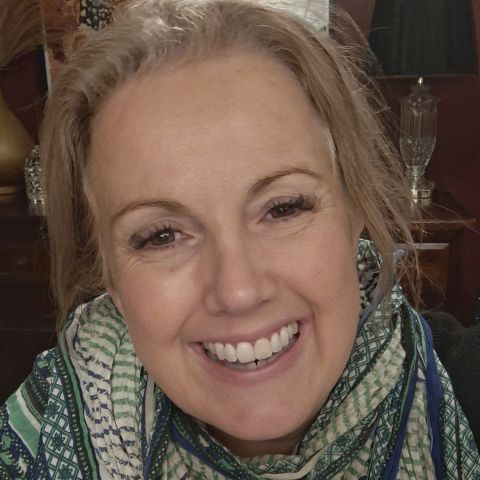
Cathryn Mora, Founder, Kindred Systems Lead Conversion Advisor with more than 15 years across marketing, sales, customer experience, CRM and business growth. More about Cathryn
Related
Turn more existing enquiries into clients
If you are already receiving good enquiries but too few become clients, Kindred Systems can help you work out where you are losing them and fix the parts that are letting people slip away. We will start with the systems and people you already have, then recommend something different only if you need it.
Explore Lead Conversion Advisory