
Yes, if AI helps the team reply faster and remember follow-up without taking over conversations that need care or judgement. It can organise information, draft simple messages and answer approved questions. A person should step in for sensitive issues, unusual situations and professional advice. Protect personal information and make it easy for somebody to ask for a human.
Impersonal follow-up is usually a design problem, not an unavoidable feature of AI. A generic human template sent at the wrong time can feel just as careless as a bot. AI becomes useful when it reduces waiting, remembers context and gives staff more time for conversations that need empathy or expertise. It becomes risky when it invents answers, exposes personal information or keeps selling after the situation changes.
Where AI can help
Choose tasks according to how much harm a mistake could cause. Appointment reminders and sorting enquiries may be low risk. Advice about health, legal rights, financial products or personal safety is not. Check what information the tool receives, where it is stored, who reviews the answers and how staff can correct a mistake. Do not rely on a software company's sales claims alone.
-
Prospects repeat information because systems do not pass context to staff.
-
Automated messages continue after a reply or booking.
The bot cannot say when it does not know.
-
Staff copy AI drafts without checking facts, tone or professional obligations.
-
There is no visible route from automation to a responsible person.
Build in a human response
Decide what the person should experience before choosing the technology. List the questions the system may answer, the situations that must go to a staff member and the things it must never do. Be open about automation when the person could otherwise be misled. Test complaints, distress, unusual requests and incorrect information before using it with real enquiries. Keep reviewing the conversations after launch.
1. List the follow-up tasks and consider how serious a mistake would be for each one.
2. Start with a low-risk task where a faster or more consistent response would help.
3. Limit the AI to approved information and actions, with suitable privacy and security controls.
4. Make it stop and alert a staff member when it is unsure, receives a reply or encounters a sensitive situation.
5. Test it carefully and give staff a quick way to correct it or switch it off.
What to check
Track response time, bookings, transfers to staff, corrections, complaints and opt-outs. Read a sample of conversations instead of relying only on the number of messages sent. A good system may send fewer messages because it knows when somebody has already replied or booked. Check that different groups are not receiving unfair or confusing answers, and review the system whenever the service or rules change.
Where AI should stop
-
Letting AI give professional advice outside approved boundaries.
-
Sending personal or sensitive data to a tool without assessing privacy and security.
-
Using synthetic friendliness to disguise that nobody is available.
-
Failing to stop automation after the prospect replies.
-
Removing human contact from a decision where reassurance and judgement are central.
Common questions
Should we say a message was written by AI?
Consider the context, applicable rules and the risk of misunderstanding. Do not misrepresent an automated interaction as a specific person. Make it easy to reach a human.
Can AI personalise every message?
It can use approved context, but more personal data is not always better. Use only what is needed, verify accuracy and avoid references that could feel invasive.
Where should we start?
Start with a narrow, low-risk task such as classifying enquiries or drafting a reply for human approval. Learn before expanding autonomy.
A realistic example
Example: A premium renovation firm uses AI to summarise web enquiries and draft an acknowledgement from approved information. A staff member reviews higher-value or unusual requests, and any question about feasibility, pricing or contracts goes to a person. The example is illustrative and not technical, privacy or legal advice.
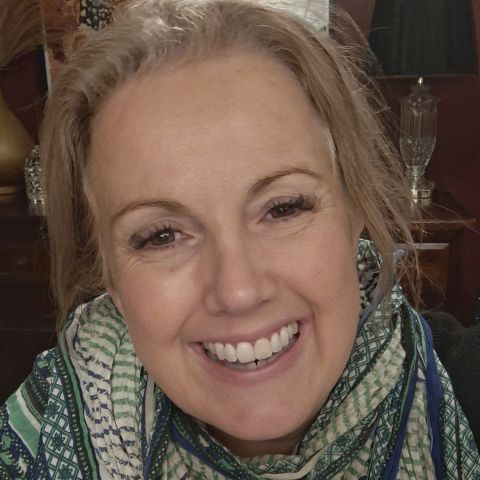
Cathryn Mora, Founder, Kindred Systems Lead Conversion Advisor with more than 15 years across marketing, sales, customer experience, CRM and business growth. More about Cathryn
Related
Turn more existing enquiries into clients
If you are already receiving good enquiries but too few become clients, Kindred Systems can help you work out where you are losing them and fix the parts that are letting people slip away. We will start with the systems and people you already have, then recommend something different only if you need it.
Explore Lead Conversion Advisory